Designing museums that meet visitors where they are.
A research-led project asking how AI, AR, and VR could build a stronger emotional connection between a visitor and the object in front of them.
What the project was
Most museum displays are designed for an average visitor, and no one is average for two artifacts in a row. I treated this as a research project, not a product brief: how might emerging tech adapt the exhibit to the person standing in front of it?
How I worked
Field study
Observed how visitors actually move through exhibits. Where they pause, where their attention drifts, how groups talk.
Diary studies
Asked visitors to log what they remembered a day later and a week later. That gap was where the design problem lived.
Speculative concepts
Designed three interaction lenses on the same question: an AI companion, an AR overlay, and a VR memory room.
Expert review
Walked the concepts through curators and accessibility experts and refined the framework with what they said.
What we learned, and how we framed it.
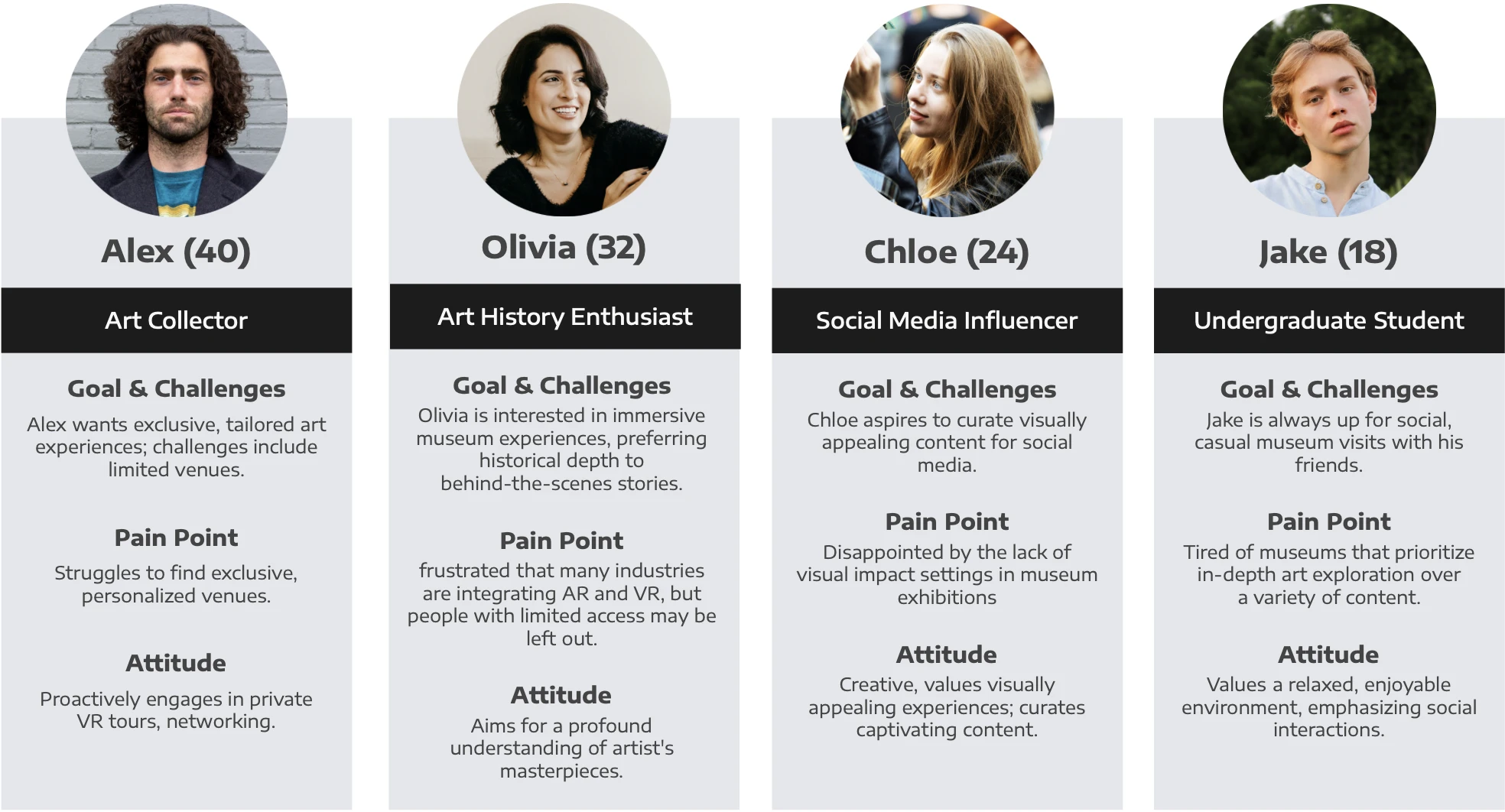
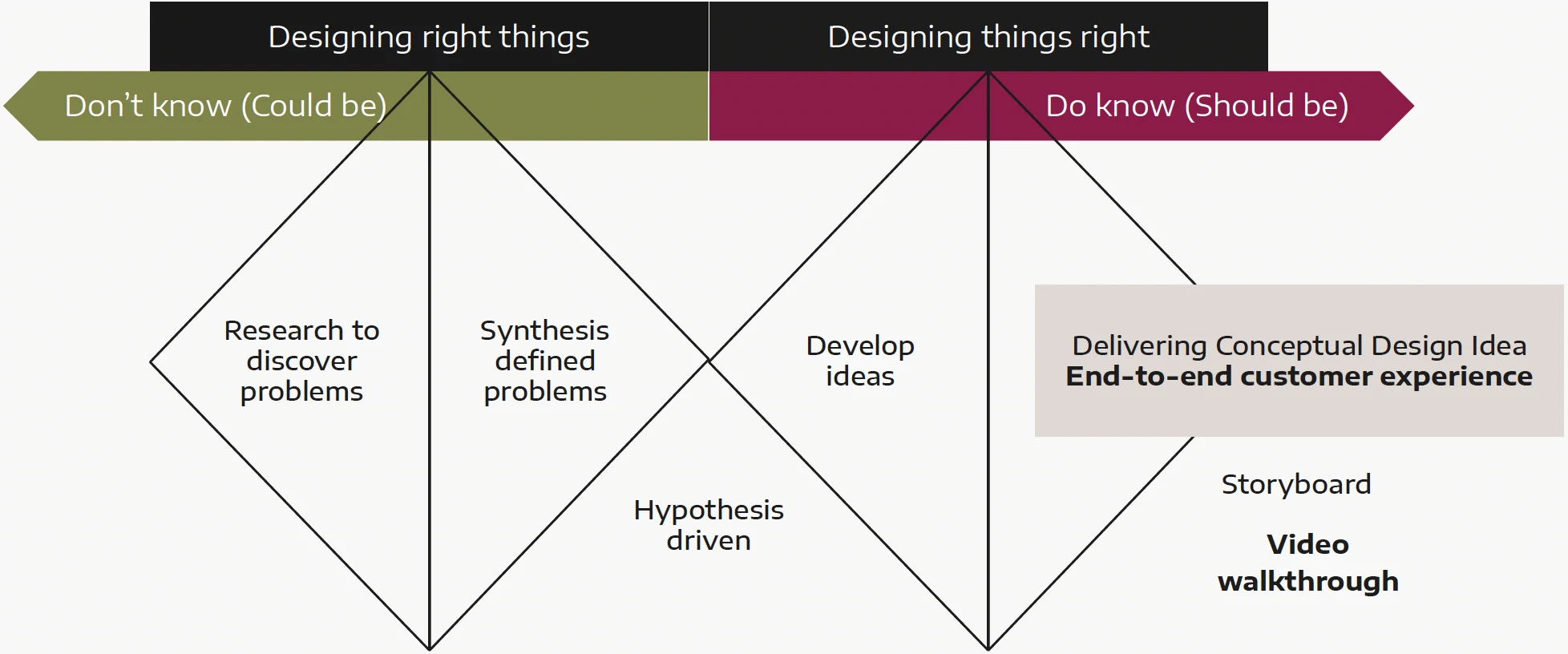
Grounded in 8 interviews across 3 cultures, plus a secondary VR usability study (45 participants), led by our researcher with my support.
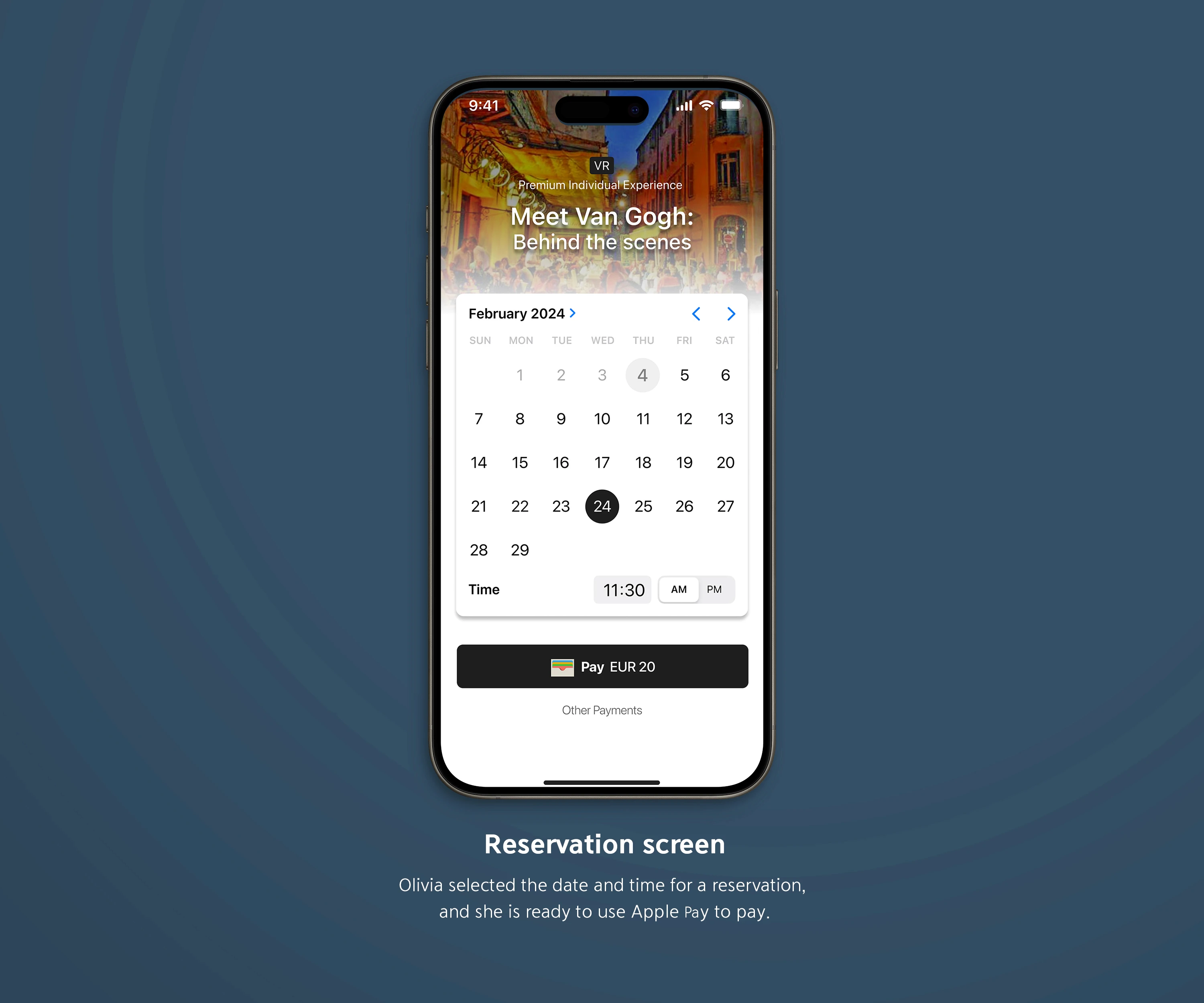
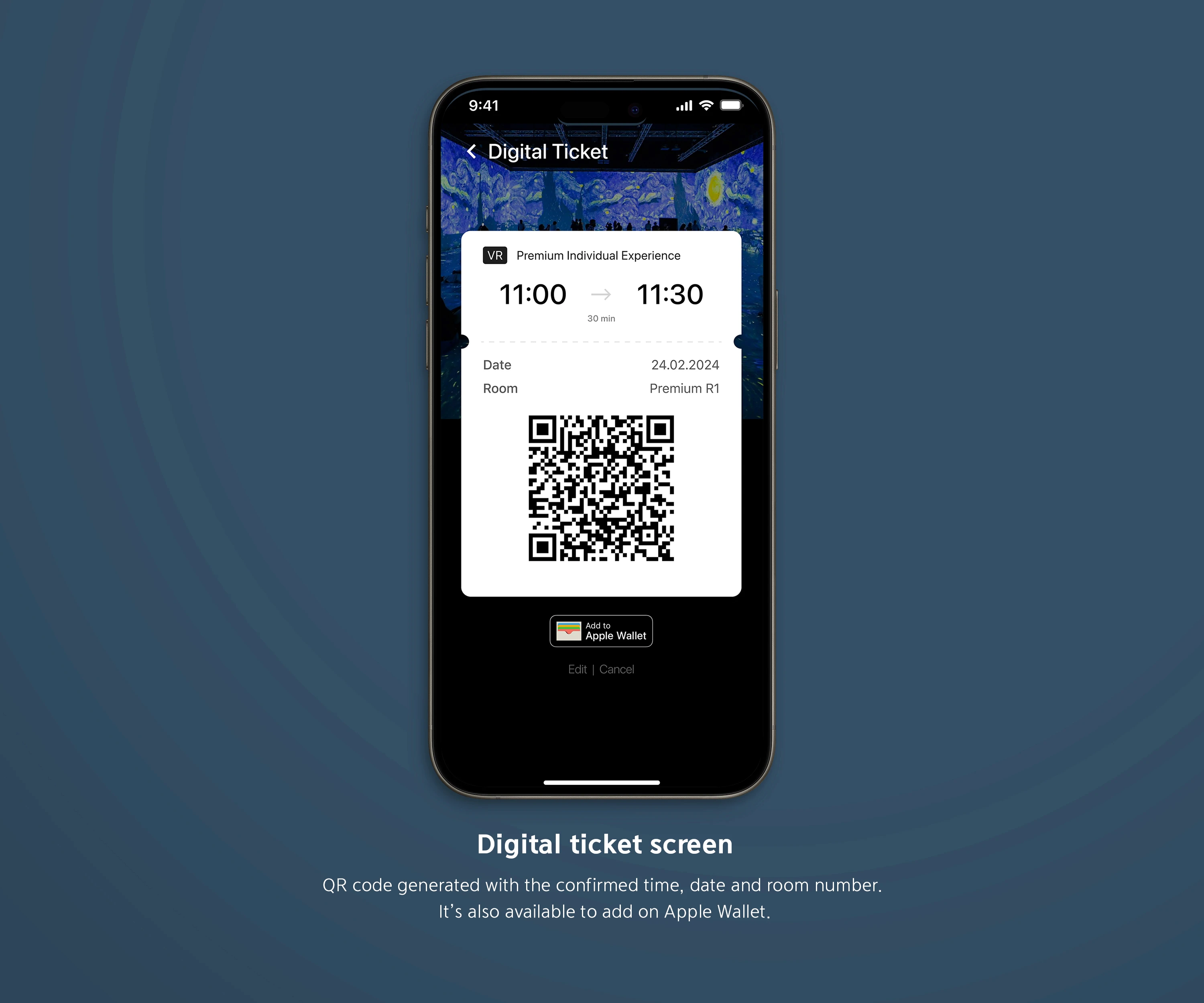
The UI, from concept to ticket.
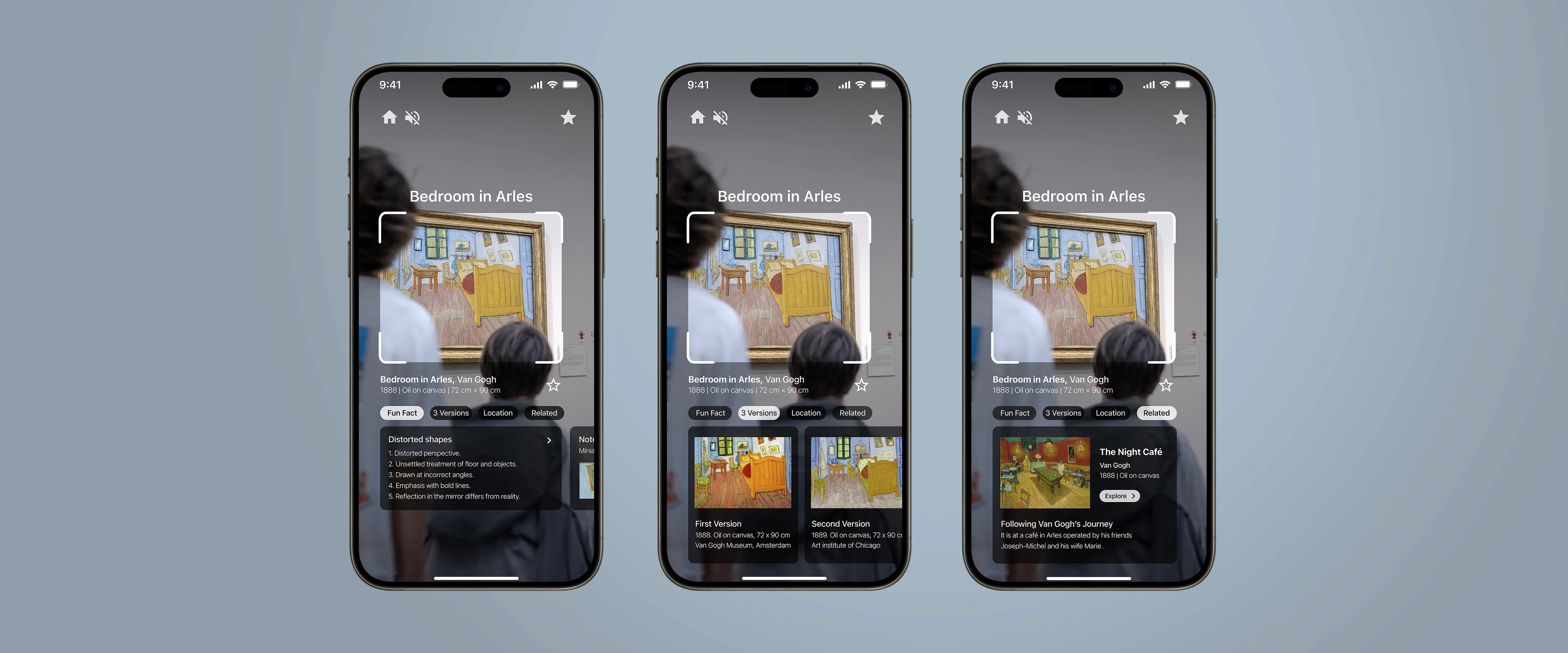
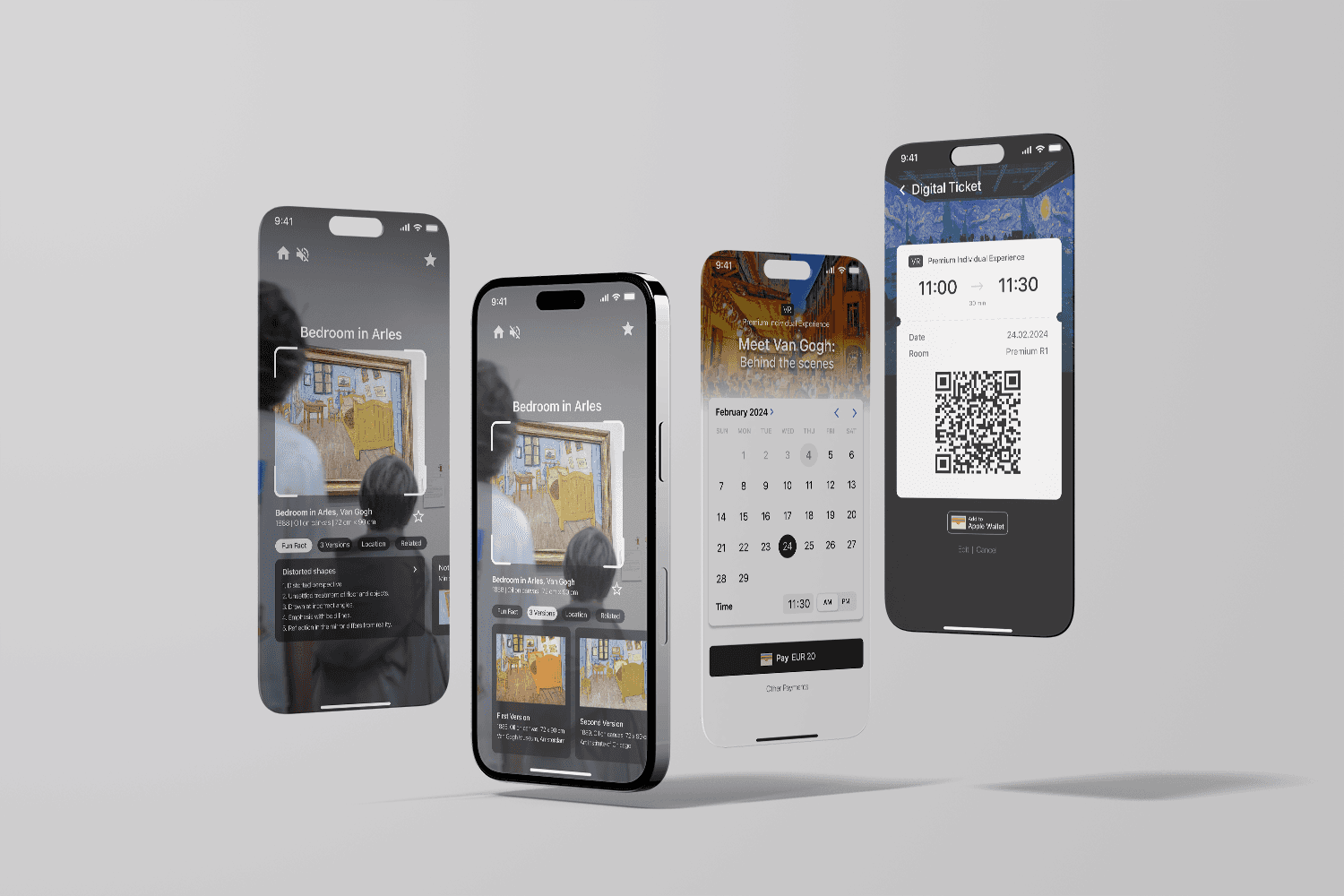
Our research found the strongest emotional connection came from the quietest intervention. So I designed the AR to whisper context without covering the work, not to dump information over it.
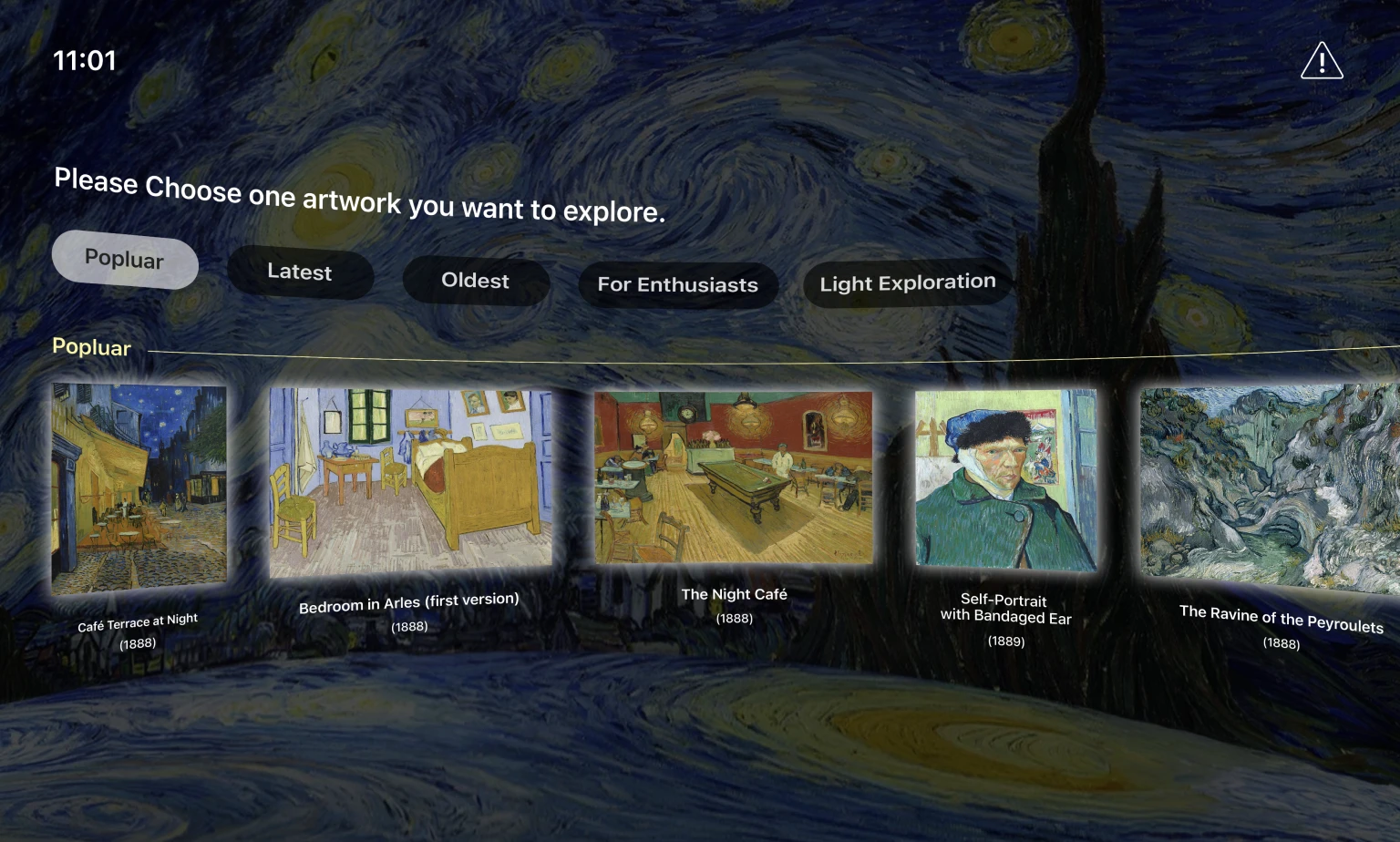
For visitors who wanted depth over a quick glance, I gave the immersive path its own space, so the casual and the deep user weren't forced into the same flow.
What I took away
The most interesting finding wasn't about the technology. It was that the strongest emotional connection came from the quietest intervention. AR overlays that whispered context did more for visitors than VR rooms that demanded attention.